Understand the two water streams
The treated stream is commonly called permeate. The concentrate stream carries constituents separated by the process and needs an appropriate handling arrangement. RO therefore requires more planning than installing a simple particle cartridge. The selected membrane, feed conditions and operating settings affect the result, and pretreatment must be reviewed for the complete system.
RO filtration compared with particle filtration
A particle filter and an RO membrane do different work. RO uses a pressure-driven membrane process for a defined dissolved-constituent reduction requirement. It produces both treated water and a concentrate stream. Particle or other pretreatment stages may be needed before the membrane, while storage and any final polishing need their own assessment. Treat the full water path as the system boundary.
| Requirement | What to compare | What to confirm |
|---|---|---|
| Particle filtration | Review suspended-particle duty | Do not assume dissolved-salt reduction |
| RO membrane | Review the required permeate quality | Match feed, pressure and operating conditions |
| Product-water storage | Review demand and downstream use | Manage the water path after treatment |
A selection mistake to avoid
A GPD catalogue rating is a production figure under stated conditions. It does not mean unlimited dispensing or suitability for every feed water.
Which RO-related product categories are available to review?
SWFI lists 50–500 GPD commercial RO options, RO membrane components and an industrial RO skid category. The application and required output determine which enquiry is relevant.
Planning the enquiry in Sabah
Compare the water-quality target with the membrane system proposal. Confirm incoming pressure, storage, concentrate handling and consumable access. Avoid judging a system only by a stage count or a single advertised rejection figure. SWFI can review RO requirements for commercial and industrial applications using the feed analysis, required output and site information.
Information to prepare
- Feed-water analysis and intended use
- Permeate output and concentrate arrangement
- Pretreatment and model-specific operating limits
Does clear feed water mean RO is unnecessary?
Appearance does not show dissolved constituents. The water analysis and required final quality determine whether an RO stage is useful.
Discuss your requirement with SWFI
Share your site location and the information listed above. SWFI can review the requirement; equipment selection, supply and service scope are subject to technical suitability and confirmation.
Request a consultationNeed a specific component? →Technical background and SWFI scope: SWFI: systems, equipment and service information. Equipment-specific limits should be checked in the current manufacturer documentation.
Related SWFI products
Options relevant to this guide. The final model and configuration should match the application, water conditions and current availability.
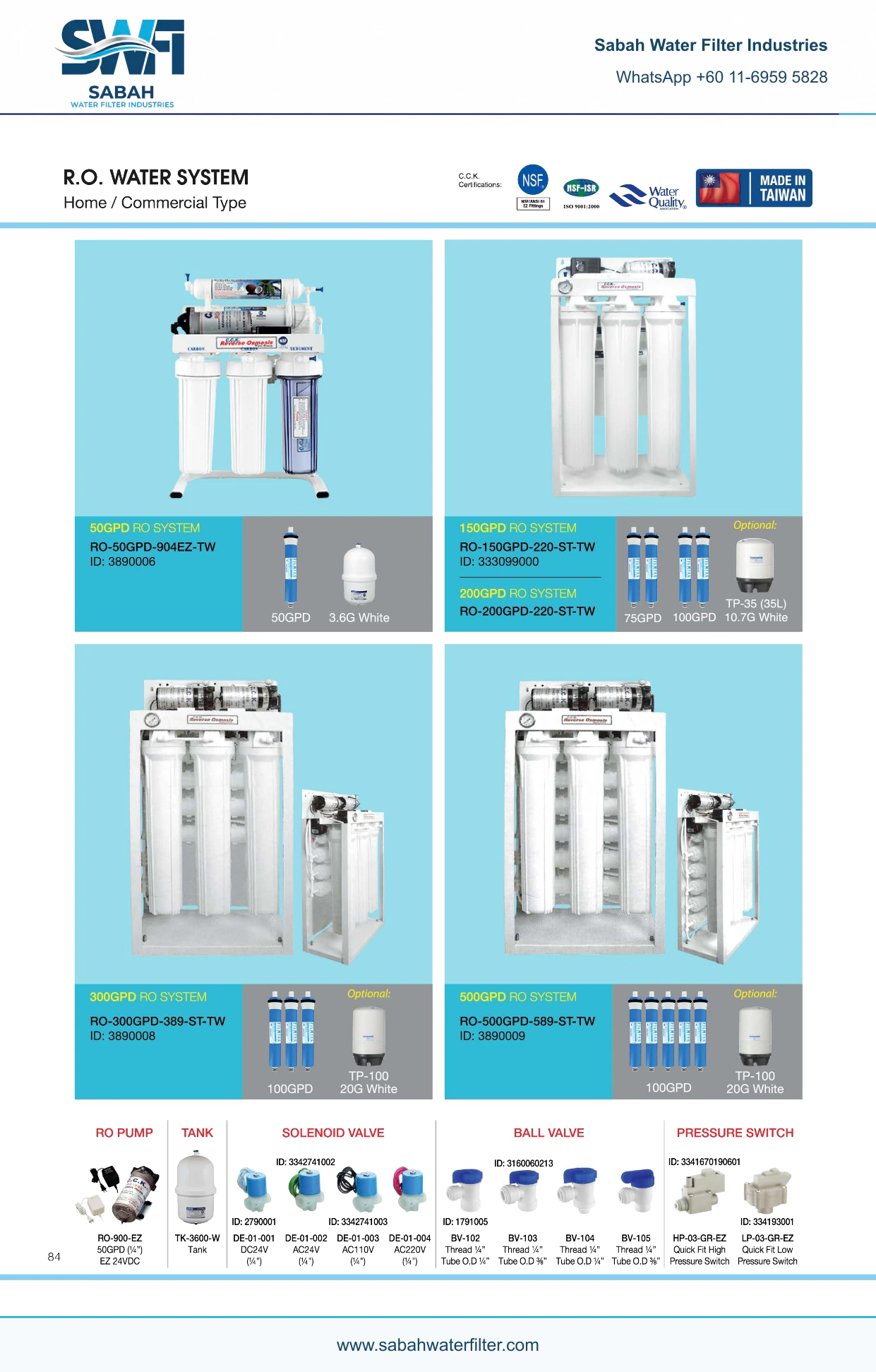
Reverse Osmosis (RO) Systems
RO Water Systems — 50 to 500 GPD
Listed 50–500 GPD RO configurations for a defined treatment requirement.
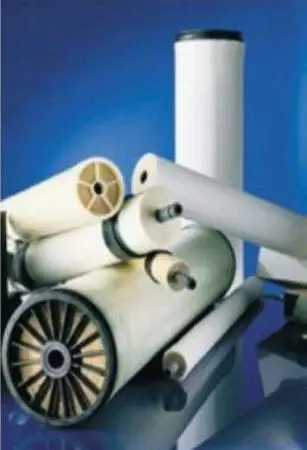
RO Membrane
VEPURE RO Membrane
An RO membrane component; match element and operating requirements.
View product details →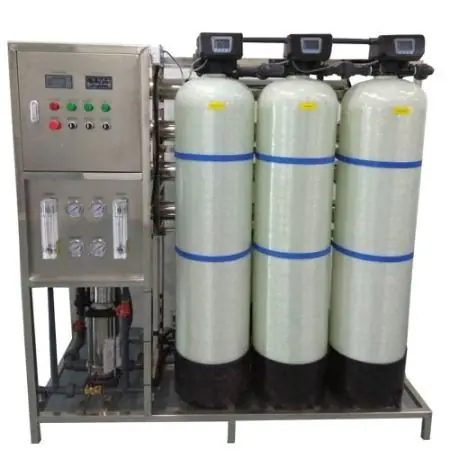
Reverse Osmosis Skid
Reverse Osmosis Skid
A packaged RO system category for a defined permeate duty.
View product details →